A Fortune 500 oilfield services provider partnered with Zemoso to operationalize methane emissions monitoring at scale, so emissions data could drive continuous, governed, real-time decisions during oil and gas production. Traditional inspections and legacy systems caused delays, fragmented visibility, and inconsistent workflows, slowing remediation and raising regulatory exposure. We built a platform that reliably turns emissions signals into alerts, priorities, actions, and audit-ready reports at enterprise scale.
Methane is invisible and notoriously hard to track across offshore rigs, mountainous terrain, and dense vegetation, and the real hurdle isn't detection, it's operationalization. Manual, fragmented workflows created data silos that kept slow detection from becoming fast remediation, increasing regulatory exposure and stalling decarbonization goals. The client needed a high-scale, role-based platform to process continuous IoT data streams, orchestrate workflows, and intelligently prioritize incidents, on top of a system not built for that volume.
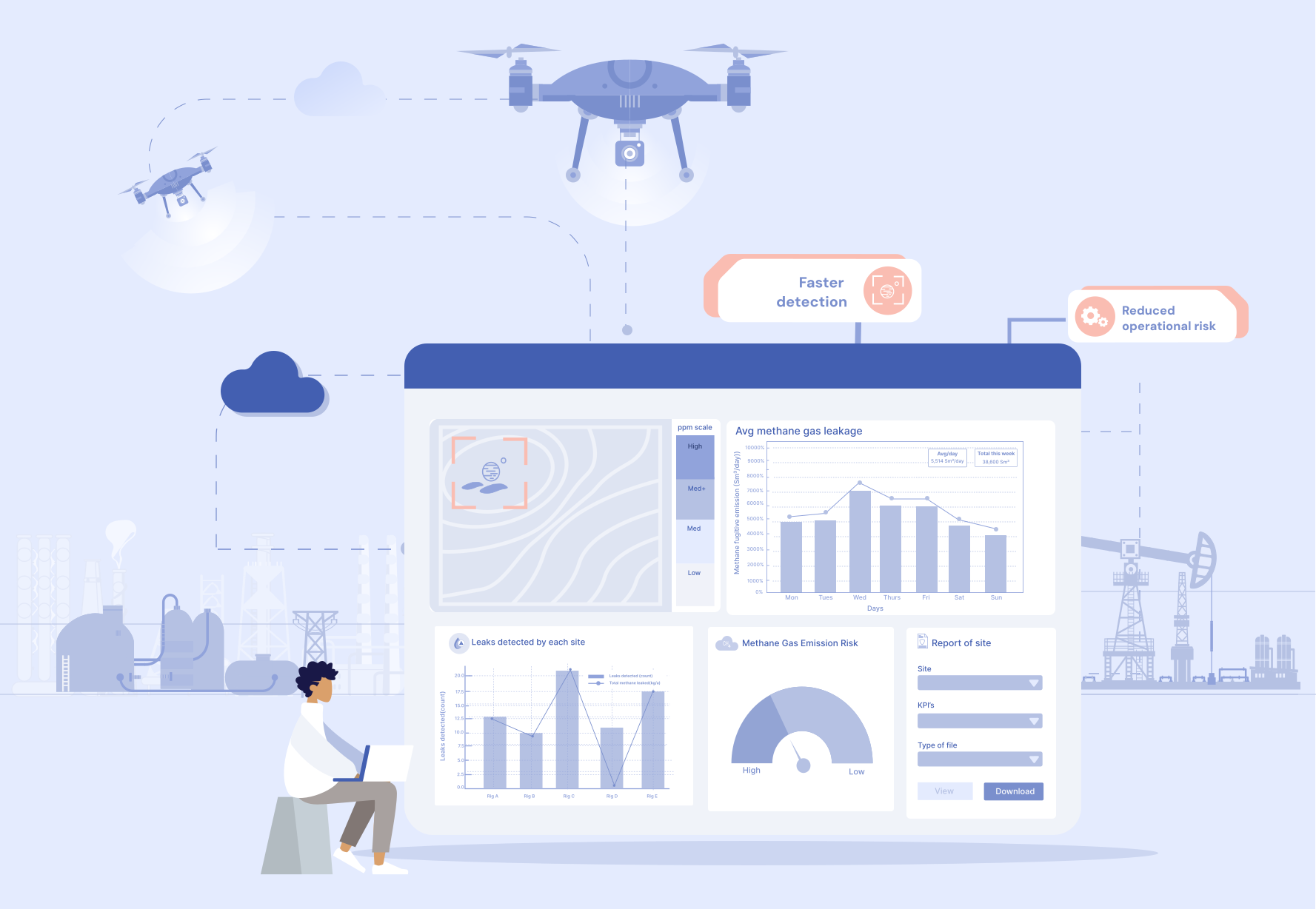
We co-created an emissions monitoring platform for both ground sensors and aerial drones to turn raw signals and images into actionable decisions. This involved continuous ingestion of IoT and drone data, and converting readings into PPM (Parts Per Million) and geospatial views. By replacing periodic checks with always-on monitoring, the client can detect methane and other emissions earlier, prioritize what needs attention, and respond faster.
Zemoso helped the client move beyond methane detection to operational decarbonization. By unifying aerial and ground monitoring in a single decision-grade system, teams can now detect leaks earlier, prioritize response, execute remediation, and generate audit-ready reports at enterprise scale.